Coordination Is a Skill, Not a Warm-Up
Coordination practice can sharpen timing, balance, and control by giving a movement a clear task. Choose the right format for your skill and setting.
Are you trying to move more smoothly, or simply get warm before a workout? Coordination practice serves the first goal: it trains timing, balance, and control by asking your body to organize a movement, not just work harder. That distinction helps you choose an activity that fits what you want to learn.
A quick-feet drill, a dance pattern, and a slow balance exercise can all involve coordination, but they ask different questions of the mover. The useful choice depends on where the movement breaks down: in remembering its order, keeping balance, matching a rhythm, or controlling the path of a limb.
Choose practice by the movement problem
Coordination is the ability to arrange parts of a movement in relation to one another and to the task. The parts might include your feet, hands, trunk, gaze, or breath. Timing matters because those parts do not need to act at once; balance matters because the body must manage its support; control matters because the movement needs a deliberate direction and pace.
That makes coordination practice different from a general warm-up. A warm-up may use easy movement to prepare you for harder activity, while coordination work gives attention to a pattern or response. It can feel energetic, but effort is not the point. If speed rises and the movement turns into a scramble, the task may have become too difficult to learn cleanly.
Start by naming the problem in plain language. “I lose the beat when the steps change” suggests a different practice from “I wobble when I reach” or “I can’t keep my arms and legs moving in the intended order.” A specific problem makes it easier to select a useful format and judge whether it is helping.
Pick a format that matches your situation
If the sequence keeps slipping from memory
Choose a short, repeatable pattern with a clear order, such as a simple dance phrase or a sequence of alternating steps. Keep the pattern small enough to remember without rushing. Once its order feels familiar, connect the pieces smoothly rather than adding more movements for their own sake.
This fit is useful when you know what each movement should look like but lose track of what comes next. Say you are learning a short step pattern and keep reversing its second and third actions. Imagine practicing just those actions at an unhurried pace, then joining them to the opening step; the expected observable result is a more consistent sequence, not a higher pulse.
If balance changes when you reach or turn
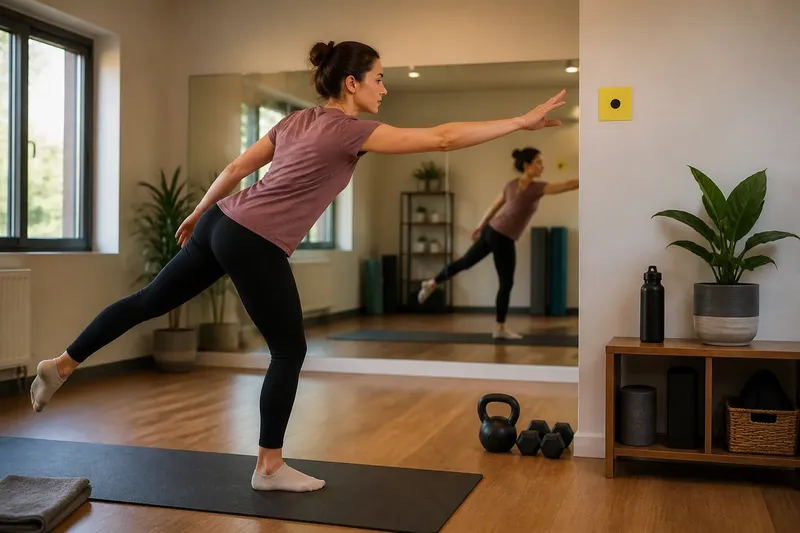
Choose a controlled task that shifts your weight while you keep a stable base, such as standing on both feet and reaching in different directions. Use a clear target—a wall mark or a spot on a countertop—and let your gaze help organize the movement. Begin with a small reach and a comfortable stance rather than making the challenge dramatic.
This suits someone whose balance feels dependable while still, but less certain as the body moves. The task connects weight shift with posture and visual attention, so you can notice whether the reach is pulling you off course. If you need support, place a sturdy surface within easy reach and keep the movement modest.
If the beat is the part that goes missing
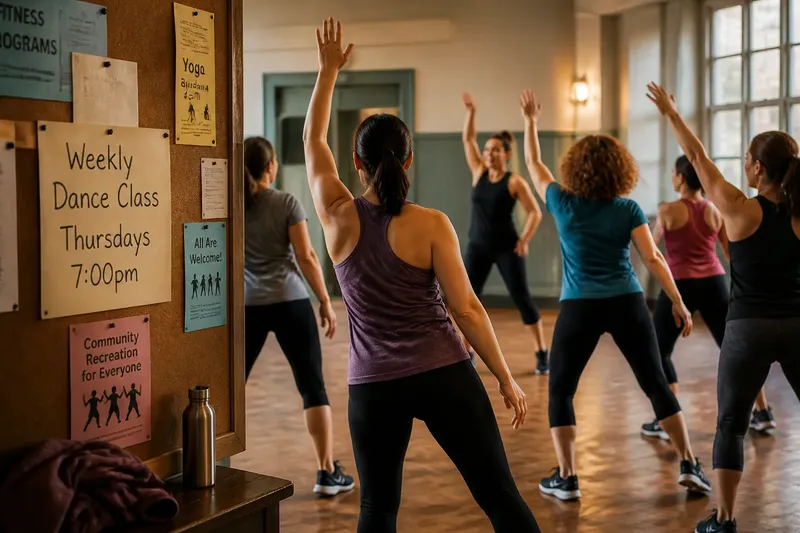
Choose a rhythmic activity with an audible, steady cue, such as clapping a pattern, stepping to music, or following a beginner dance sequence. Start by matching one action to the beat, then add another only when you can keep the timing without forcing it. A metronome can provide a plain pulse, though music may be more engaging if its rhythm is easy to hear.
This format fits a timing problem more than a strength or endurance goal. The cue gives you something external to organize movement around; it does not require you to move quickly. If you repeatedly fall behind, simplify the pattern or use a slower, clearer cue.
If the movement feels awkward despite knowing the order
Choose a slow, precise action that lets you observe its path, such as tracing a controlled arm arc or practicing a gentle step-and-reach. Keep the range comfortable and notice whether the movement drifts, stops abruptly, or recruits extra motion. A mirror may help you see the path, but use it as feedback rather than as a demand to make every repetition look identical.
This is a sensible fit when the sequence is clear but the body does not yet carry it out with ease. Slowing down makes the movement easier to inspect and adjust. If pain, dizziness, or unusual loss of control appears, stop and seek suitable professional guidance rather than trying to train through it.
Keep the task clear as it gets harder
Progression means changing one demand while preserving the movement’s purpose. You might make a pattern slightly longer, add a gentle change of direction, or reduce how often you look at a visual target. Changing several demands together can make it hard to tell what the practice is teaching.
Use the movement itself as your feedback. Can you keep the intended order? Can you finish without a sudden correction? Does your balance remain manageable, and can you respond to the cue rather than chase it? These observations are more relevant than how tired you feel after a coordination task.
Imagine you can follow a side-step pattern comfortably but lose control when it includes a turn. A reasonable next choice is to practice the same steps with a small, deliberate turn, returning to the simpler version if the sequence becomes muddled. The expected observable result is clearer control of the turning part while the familiar rhythm remains recognizable.
For a new or demanding movement, make the environment forgiving: clear nearby clutter, choose a surface that feels stable, and leave room to move. Wear footwear suited to the activity, or use bare feet only where the setting and activity make that appropriate. Follow relevant equipment instructions and local facility rules.
Use coordination practice alongside other training
Coordination work can sit near the beginning of a session when you want attention for a skill, or in a separate short practice when the pattern needs calm repetition. It does not have to replace strength, cardiovascular activity, mobility work, or a warm-up suited to the session. Each has a different purpose, and one should not be treated as a substitute for the others.
If your main session involves a movement you are learning, choose a related coordination task that is simpler than the full activity. For example, a recreational player learning to change direction might practice controlled side steps before adding a ball or a partner’s unpredictable movement. The simpler task helps isolate the timing and foot placement without turning every repetition into a full-speed contest.
Keep practice brief enough that attention stays on the task. When you become distracted, repeatedly lose the sequence, or start compensating in ways that feel uncomfortable, pause or return to an easier version. The aim is not to collect repetitions; it is to give the nervous system a clear movement problem to solve.
Which coordination approach fits your goal?
Does coordination practice have to be fast?
No. A slow reach, careful step pattern, or gentle balance task can demand precise timing and control. Increase pace only when speed serves the movement goal and does not erase the pattern.
Can ordinary activities develop coordination?
Yes, activities such as dancing, recreational sports, and learning a simple movement sequence can all involve coordination. What matters is whether you attend to a specific task, such as timing a step or controlling a turn, instead of treating the activity only as a way to get tired.
How can I tell if a coordination task is too difficult?
If you cannot keep track of the intended movement, need repeated abrupt corrections, or feel unsafe, reduce the complexity or stop. A useful challenge leaves room to notice and adjust the movement without forcing it.
Should I practice balance and rhythm at the same time?
You can, but separating them often makes the task easier to understand. If rhythm is already familiar, adding a gentle balance demand may fit; if both are new, start with one and combine them later.
Let the movement, not the sweat, set the standard
Coordination practice fits best when you can name the movement you want to organize and choose a task that makes its timing, balance, or control visible. That might mean a rhythmic pattern, a deliberate reach, or a slow sequence with a turn. The right option is the one that addresses your present sticking point while leaving enough attention to move with intention.
Before your next session, ask one practical question: what part of this movement needs organizing? Choose a small task that gives you an answer you can see, then adjust its complexity to keep the movement clear.